
The Gift of Boredom: Why it’s good for your child’s brain

By Tori Weiss | Head of Junior School
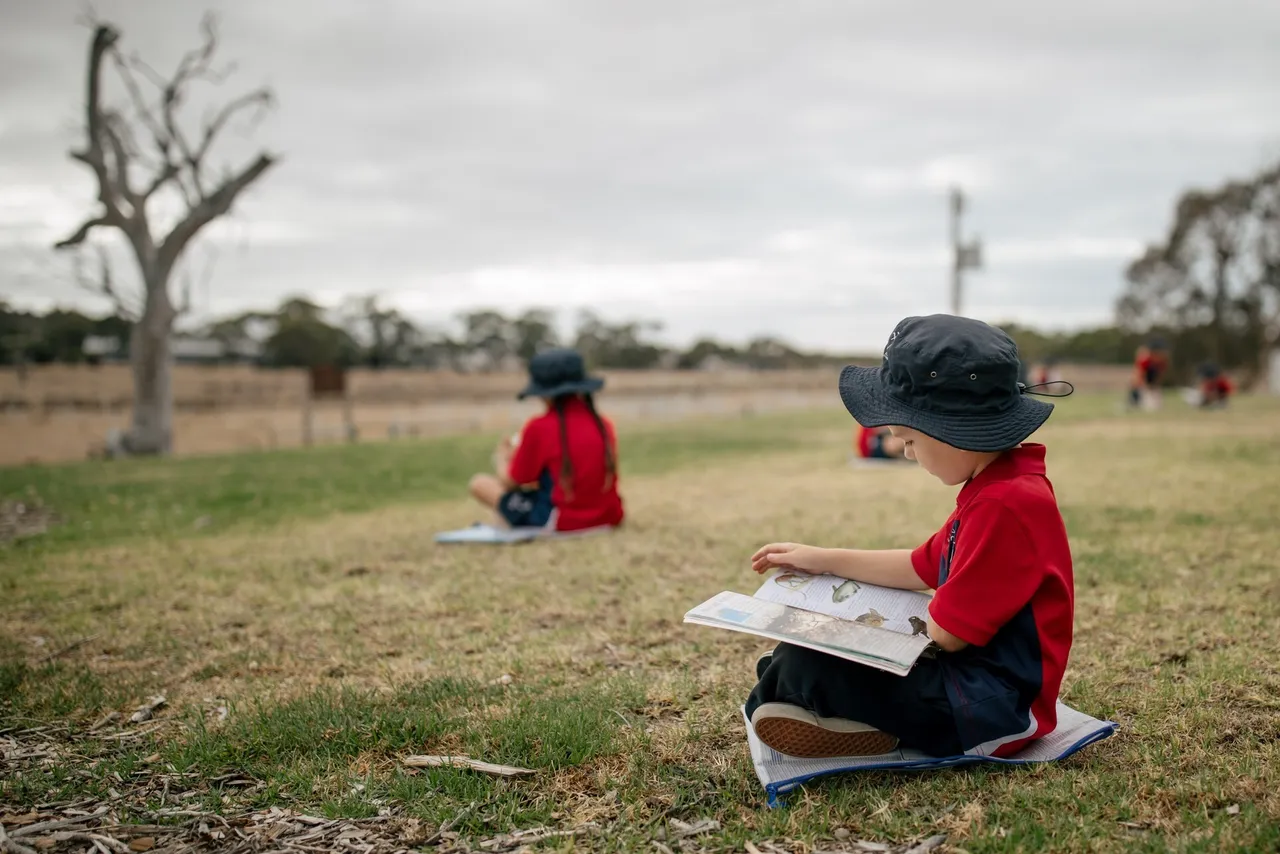
Have a think… when is the last time you waited for an appointment, or in a queue, or sat in the car waiting for your child’s sports practice to finish without picking up your phone?
In today’s fast-paced, hyper-connected world, phones and devices offer instant stimulation. Whenever we feel even a moment of discomfort, waiting, or stillness, we can reach for a device and scroll, swipe, or tap. This constant access to entertainment and information means we rarely sit with boredom long enough for our minds to wander.
Instead of allowing the brain to enter a restful, reflective state, phones or devices keep it in a state of alertness and distraction. This can interrupt the natural cognitive process that boredom initiates—one that’s essential for creativity and problem-solving.
As parents, we have all heard our children utter the dreaded ‘I’m bored!’ and it’s natural to want our children to be engaged, stimulated, and productive.
But what if boredom isn’t something to be avoided—but embraced?
From an educational perspective, boredom is not only normal—it’s absolutely necessary.
Boredom Fuels Creativity
Research shows that when children experience boredom, their brains begin to seek stimulation from within. This internal wandering—known as daydreaming—activates the brain’s default mode network, which is closely linked to imagination, problem-solving, and creative thinking.
A study published in the journal Academy of Management Discoveries found that participants who engaged in a boring task (like copying numbers from a phone book) later came up with more creative ideas than those who didn’t. Why? Because boredom gave their minds space to roam.
Boredom Builds Resilience and Independence
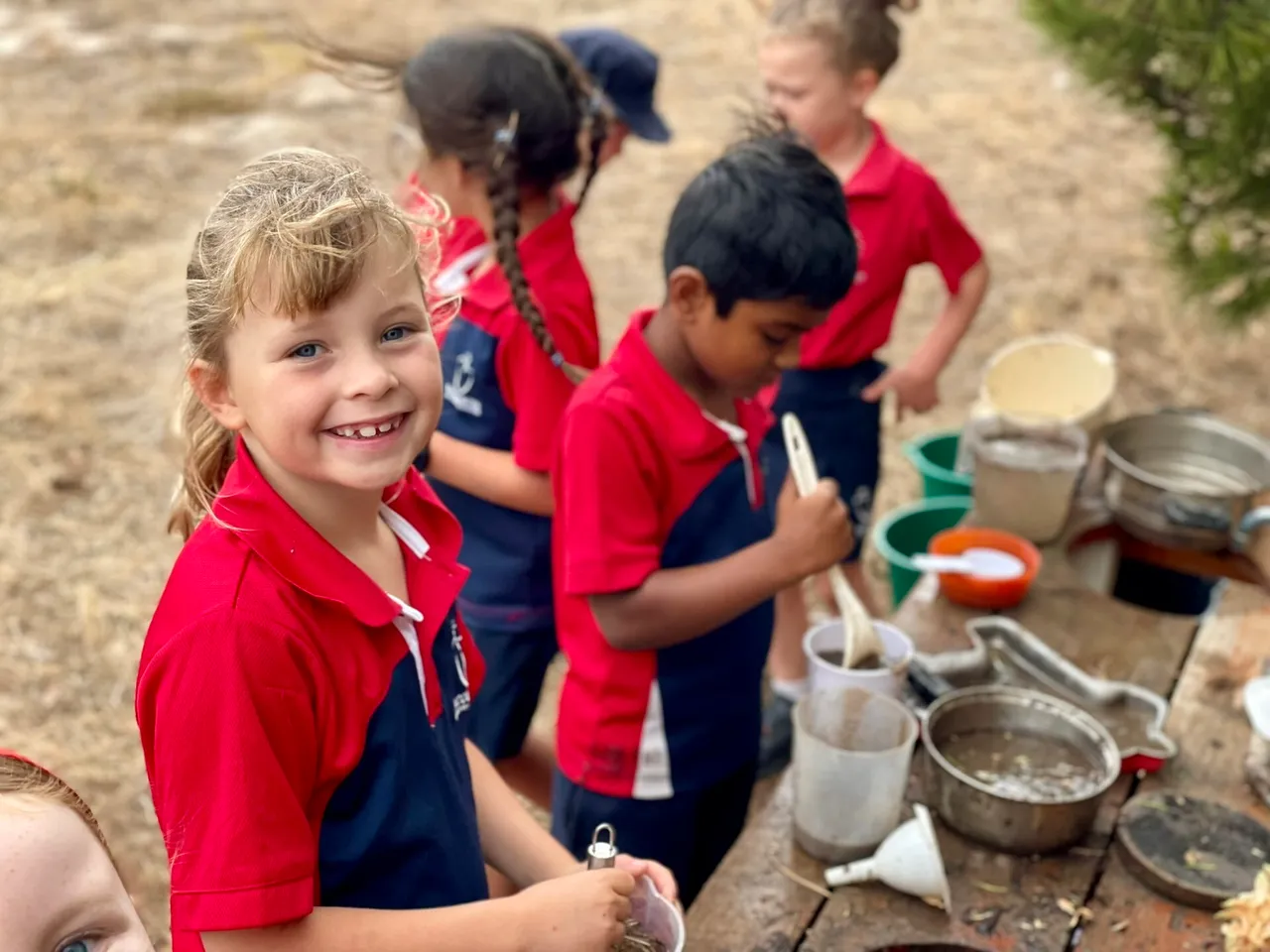
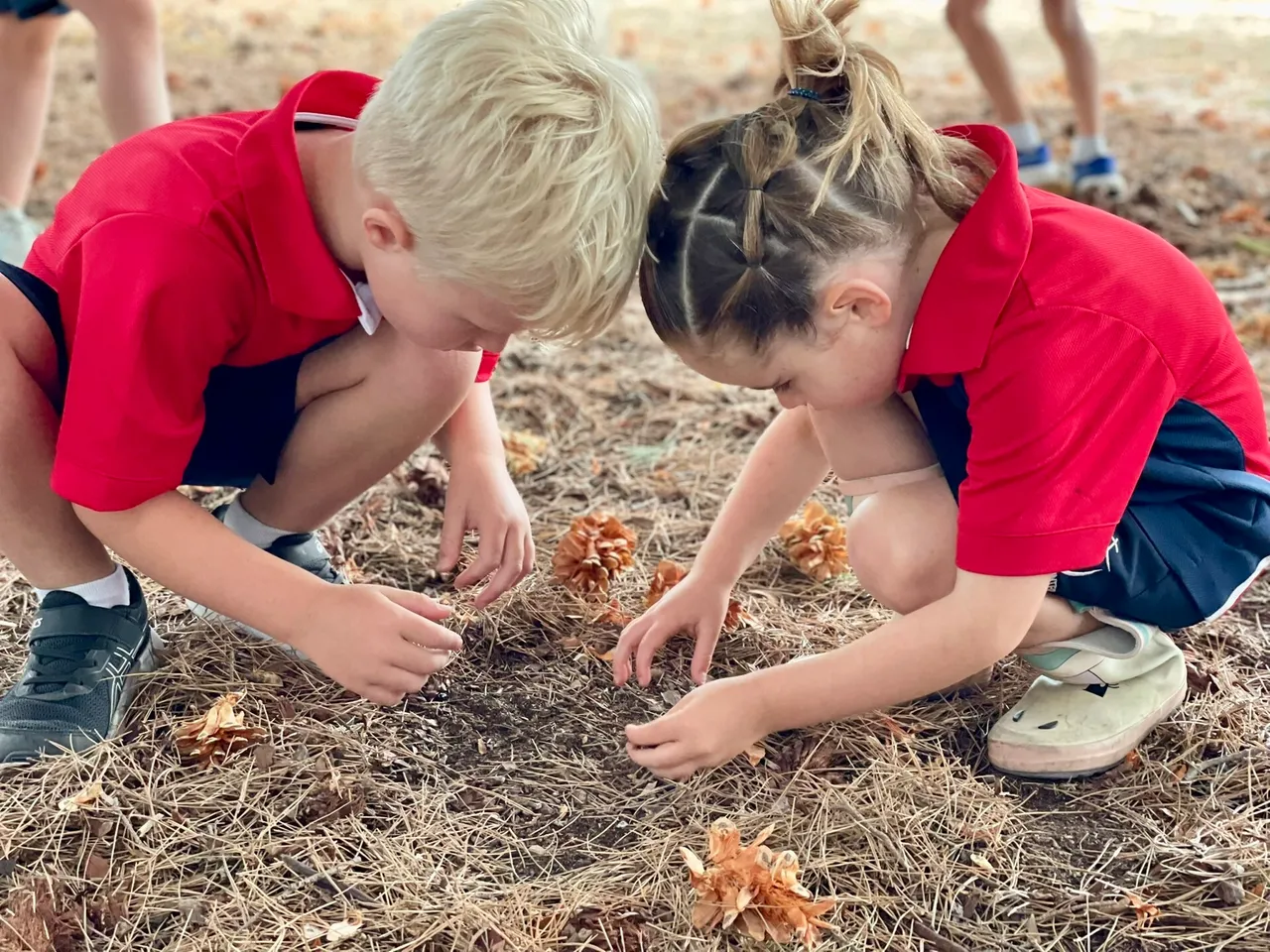
When children are constantly entertained, they miss opportunities to develop self-directed thinking. Boredom encourages them to explore, invent, and take initiative. It’s in those quiet, unstructured moments that they might build a fort, write a story, or discover a new interest.
Boredom Supports Emotional Regulation
Learning to sit with boredom helps children develop patience and emotional resilience. It teaches them that not every moment needs to be filled—and that they have the capacity to manage discomfort and find their own way through it.
What Can Parents Do?
- Resist the urge to fill every gap. It’s okay if your child says, “I’m bored.” Instead of offering a solution, ask, “What could you do with this time?”
- Limit screen time. Digital devices offer instant stimulation, but they can crowd out the mental space needed for creativity and reflection and lead to a host of other problems.
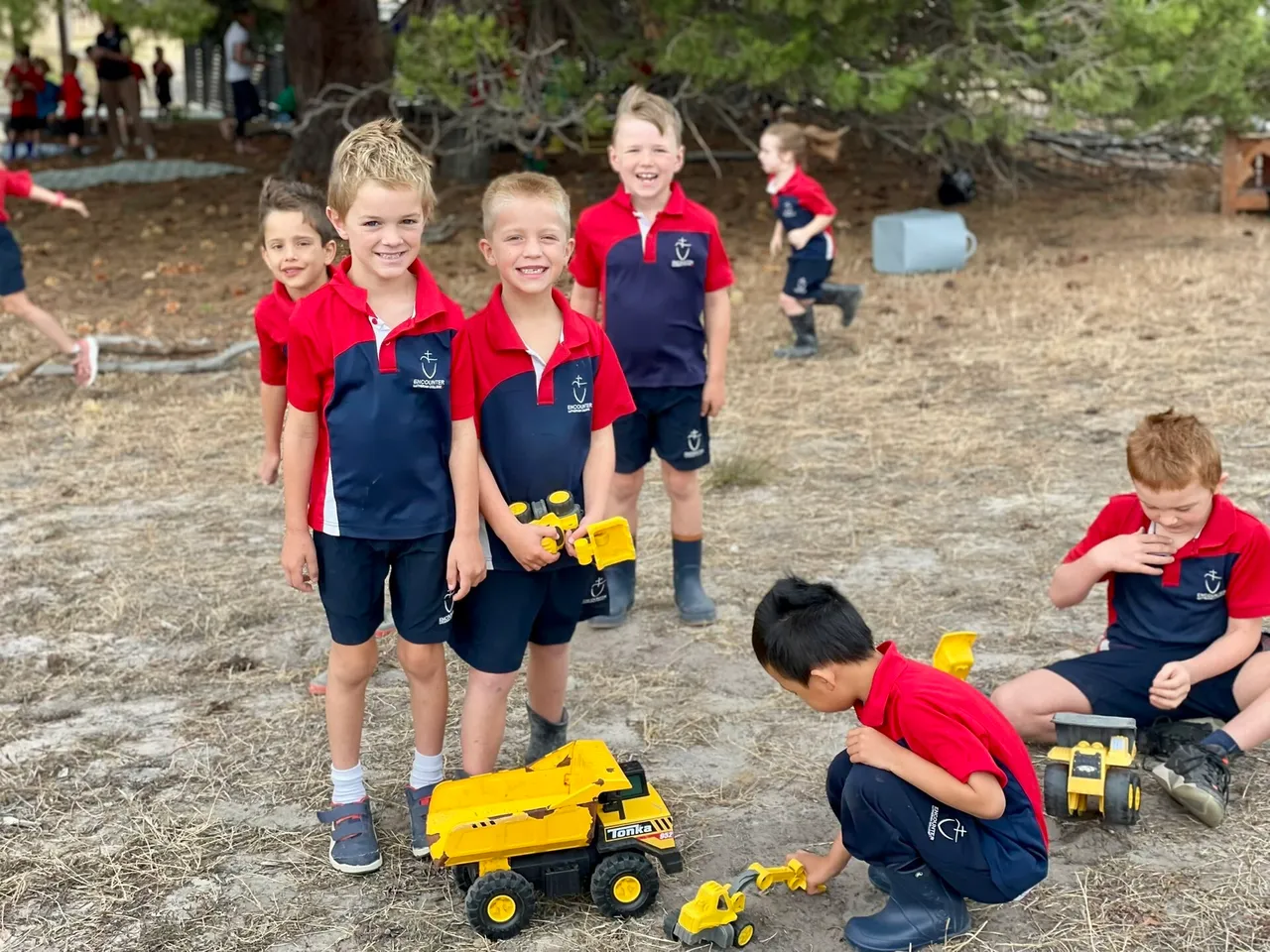
- Create space for unstructured play. Let your child be the architect of their own time—without a schedule or agenda.
Boredom isn’t a problem to solve—it’s a doorway to deeper thinking, creativity, and growth. So next time your child complains of being bored, take a breath and smile. Their brain is doing important work!
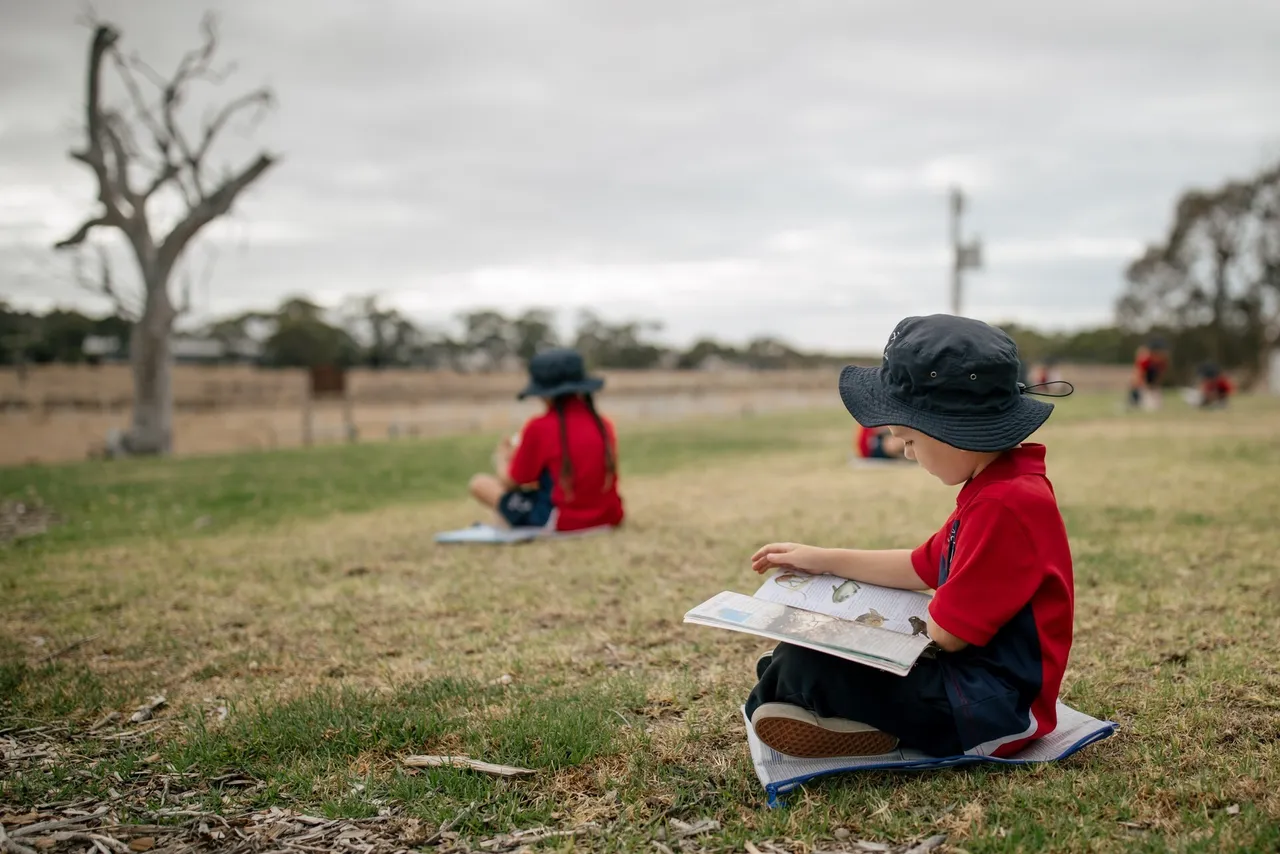
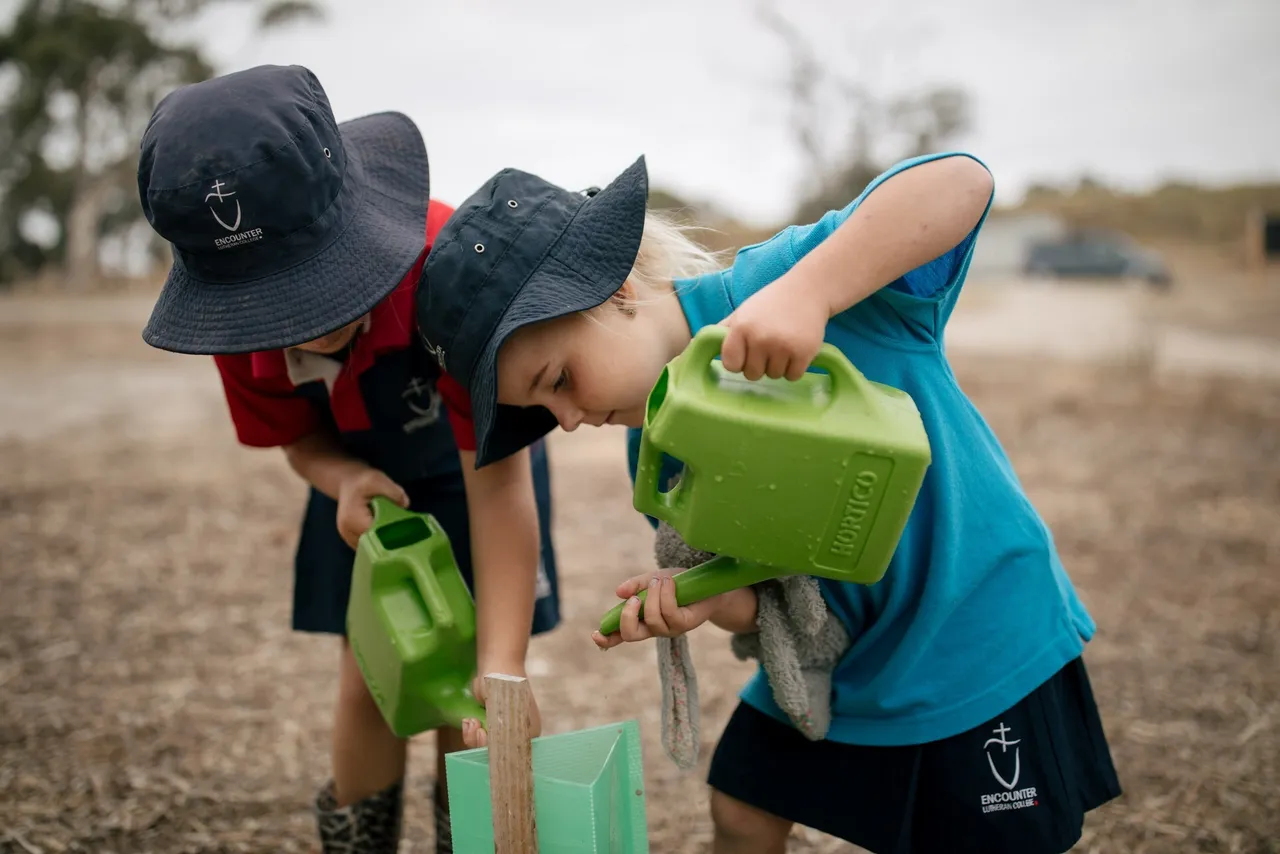


Encounter Lutheran College acknowledges the Ramindjeri people of the Ngarrindjeri Country as the Traditional Custodians of the land on which we live, work and learn. We pay our respects to Elders past, present and emerging.
Contact Encounter Lutheran College